The bacteria that causes Legionnaires disease is abundant in nature. The bacteria mainly live in water, for example stagnant water and ponds, where it does not usually cause problems. Increases in the numbers of the Legionella occur when water is used by us, humans, in water systems, from general washing to the heating and cooling of food stuffs. Outbreaks occur in these purpose-built water systems where temperatures are warm enough to encourage growth of the bacteria, e.g. in cooling towers, evaporative condensers and Jacuzzi’s and from water used for domestic purposes in buildings such as hotels.
|
Most community outbreaks in the UK have been linked to installations such as cooling towers or evaporative condensers, which can spread droplets of water over a wide area. These are found as part of air-conditioning and industrial cooling systems. Other outbreaks have been linked to badly maintained publics swimming pools and leisure centers wear the control program has failed or is inadequate. |
|
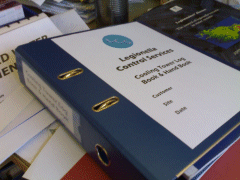
|
|
To combat this the HSE (Health & Safety Executive) have issued, in 2000 the third edition of the Approved Code of Practice ‘The Control of Legionella Bacteria in Water Systems’. This document gives guidance on controlling bacteria in water systems and recommendations as to the best practice for the control of proliferation. |
In itself the ACOP is not a legally binding document but if an outbreak of Legionnaires is detected with out a risk assessment the company would then become liable.
What is Legionnaire's Disease?
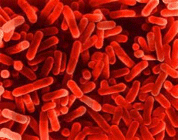
Legionnaire's Disease is a type of pneumonia which is contracted more frequently in men that women and affects middle aged or elderly people and more commonly smokers. Legionnaries Disease is contracted when the bacteria ‘Legionella pneumophila’ is inhaled, this is normally via droplets of water suspended in air which contain the ‘Legionella pneumophila’ bacteria. This bacteria causes a disease similar to pneumonia which in immunosuppressive people ie the elderly or hospitalised patients, can be fatal.
|
Where does it come from? The bacteria that causes Legionnaire's Disease is abundant in nature where it does not generally cause us any problems. The bacteria grows and multiplies in badly controlled and maintained water systems. When these badly controlled and maintained water systems are open and exposed to the atmosphere droplets of water containing bacteria can be released in to the atmosphere over wide areas. |
|
|
|
Who Controls the spread of Legionnaire's Disease? To prevent an outbreak of Legionnaire's Disease companies that operate hot water systems that have the potential to generate an aerosol must comply with the regulations. These regulations require them to maintain, check manage and treat any systems which could possibly cause the spread of Legionella. Do I need to have a Risk Assessment? I you have a water system that heats or cools water with the potential to create an aerosol then you will need a Risk Assessment. Please contact us for details & information. |